
How to Choose Roofing Shingle Colors for Your Home
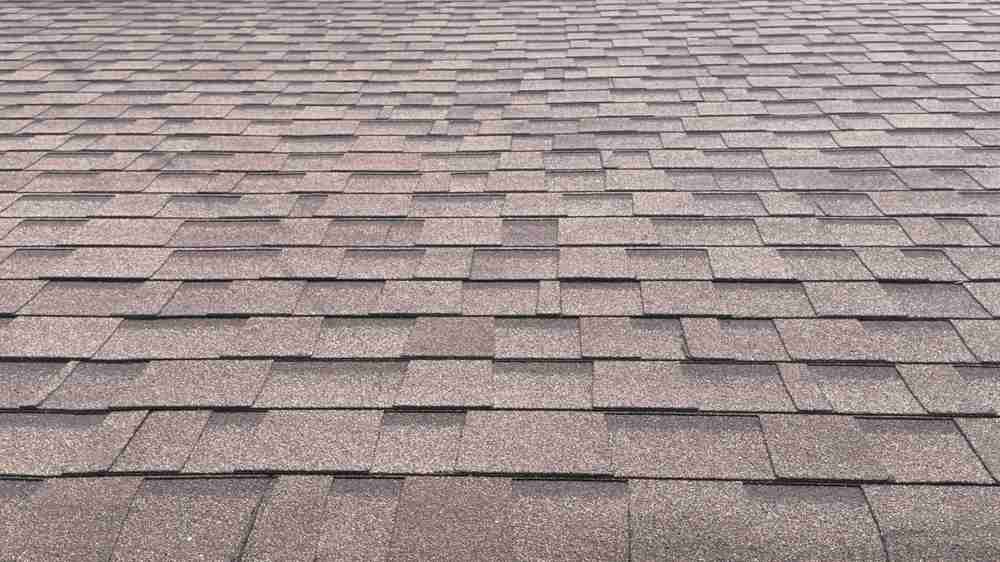
Choosing a shingle color is one of the few roofing decisions that’s entirely visible — and entirely personal. It affects how your home looks from the street, how well it fits the neighborhood, and in some cases how much heat your attic absorbs. It’s also a decision most homeowners make once every 20 to 30 years, which means getting it right matters more than most people realize going in.
This guide walks you through everything that should factor into your shingle color decision — from architectural compatibility and climate considerations to HOA rules and resale value.
Start With Your Home’s Fixed Elements
The most reliable starting point for shingle color selection is the elements of your home that aren’t changing — your siding, brick, stone, trim, shutters, and front door. Your roof should complement these fixed colors rather than compete with them.
A few principles that hold up across most home styles:
- Match undertones, not exact colors. Your roof doesn’t need to match your siding — it needs to harmonize with it. If your siding has warm undertones (beige, cream, tan), warm-toned shingles like weathered wood, brownstone, or aged copper will feel cohesive. Cool-toned siding — grays, blues, white — pairs better with charcoal, slate gray, or blue-black options.
- Contrast creates curb appeal. A home with light-colored siding benefits from a darker roof — it creates visual definition and makes the home look more substantial. A dark brick or stone exterior often looks best with a mid-tone or lighter roof that doesn’t compete for attention.
- Consider the whole exterior together. Shingle color, siding, trim, gutters, and front door all interact. If you’re only changing the roof, look at your current exterior as a complete picture before choosing.
Consider Your Home’s Architectural Style

Certain shingle colors and profiles tend to work better with specific architectural styles. While these aren’t hard rules, they reflect patterns that have stood the test of time:
- Traditional/Colonial: Classic colors like weathered wood, charcoal, and slate gray complement the symmetry and formality of traditional architecture.
- Craftsman/Bungalow: Earth tones — mossy greens, warm browns, and terracotta-adjacent tones — align naturally with the organic material palette of Craftsman homes.
- Ranch/Contemporary: These styles offer more flexibility. Cooler tones like charcoal, slate, and graphite work well with the horizontal lines and modern materials common to ranch and contemporary designs.
- Cape Cod/Coastal: Lighter shingles — driftwood, weathered wood, or softer grays — complement the casual, natural aesthetic of coastal-influenced homes.
- Tudor/European: Darker, more complex colors — charcoal blends, dark brown, and slate — suit the heavier, more dramatic look of Tudor-style homes with their steeply pitched rooflines.
Think About How Color Affects Heat and Energy
Shingle color has a measurable effect on how much heat your roof absorbs and transfers into your attic. Darker colors absorb more solar radiation — light colors reflect more. How much this matters depends on your climate.
- In hot climates: A lighter shingle color — or a shingle with a reflective coating — can meaningfully reduce attic heat gain and lower cooling costs. According to the ENERGY STAR program, reflective roofing products can reduce roof surface temperatures significantly in warm climates.
- In cold climates: A darker shingle can help absorb solar heat during winter months — a modest benefit in reducing heating loads.
- In mixed climates: The energy difference between colors is real but typically modest — a few percentage points on heating and cooling costs. It shouldn’t override aesthetic or resale considerations unless you’re in an extreme climate.
If energy efficiency is a priority, look for shingles with an ENERGY STAR rating rather than simply choosing the lightest color available. Rated products are tested for solar reflectance regardless of color.
Check Your HOA and Neighborhood Before You Commit
If your home is governed by a homeowners association, shingle color may not be entirely your decision. Many HOAs maintain approved color lists or require design review approval before exterior changes. Submitting for approval before purchasing materials is significantly less painful than being required to replace a newly installed roof.
Even outside of HOAs, it’s worth considering how your choice will fit the neighborhood. A color that works beautifully in isolation can look jarring if it’s dramatically different from every other home on the street — and that can affect resale value.
Understand How Shingle Colors Look in Different Light

One of the most common shingle color mistakes is choosing based on a small sample chip viewed indoors. Shingle colors look substantially different in direct sunlight, overcast daylight, and at dusk. A color that looks like a warm medium brown on a sample card can read as almost black on a large roof in full afternoon sun.
Before committing:
- View samples outside at multiple times of day
- Look at the manufacturer’s installed project photos — not just the product samples
- Ask your contractor if they have completed projects with the color you’re considering and whether you can see them in person
- Use the manufacturer’s visualizer tools — most major brands including Owens Corning offer online tools that let you upload a photo of your home and apply different shingle colors virtually
Consider the Long-Term Resale Picture
Your roof will likely outlast your ownership of the home — most asphalt shingle roofs have a 20 to 30 year lifespan, and the average homeowner moves every 8 to 10 years. That means your shingle color choice will matter to a future buyer.
Broadly speaking, neutral and versatile colors — charcoal, weathered wood, slate gray, and similar tones — have the widest appeal across buyer preferences and exterior combinations. Highly specific or unconventional colors narrow your buyer pool even if they reflect your personal taste perfectly.
Popular Shingle Colors and When They Work Best
- Charcoal/Onyx: The most universally versatile choice — works with virtually any siding color and architectural style
- Weathered Wood/Driftwood: Warm brown tones with dimensional variation — excellent for traditional, Craftsman, and Cape Cod styles
- Slate Gray: A cooler medium tone that pairs well with blue-gray, white, and cool-toned exteriors
- Hickory/Brownstone: Warm, rich brown tones that complement earth-toned siding, stone, and brick
- Aged Copper/Barkwood: Complex tones with green or brown undertones — best for homes with natural wood elements and wooded settings
- Pewter Gray/Silver: Light cool tones that work well in coastal settings and with white or light gray exteriors
Talk to RoofServ About Shingle Color Selection
Choosing the right shingle color is easier when you have a contractor who knows the materials, can show you completed local projects, and will take the time to walk you through your options before you commit to a decision you’ll live with for decades.
RoofServ works with homeowners throughout our service areas to select shingle colors and profiles that work for their homes, their neighborhoods, and their long-term goals. Contact us today to schedule a consultation.


