
Storm Damage Roof Repair in Mount Pleasant, SC: What Homeowners Need to Know
Mount Pleasant homeowners know firsthand how quickly a severe storm can compromise a roofing system. Whether it’s a fast-moving thunderstorm that tears off shingles, a tropical system that drives rain horizontally into every roof penetration, or a hail event that leaves damage invisible from the ground — storm damage in this part of South Carolina is a reality that requires a prompt, informed response.
This guide walks you through everything you need to know about storm damage roof repair in Mount Pleasant, SC — from identifying damage after a weather event to navigating the insurance process and choosing a contractor you can trust.

Why Mount Pleasant Roofs Face Unique Storm Risks
Mount Pleasant’s location along the South Carolina coast puts it squarely in one of the most weather-exposed markets in the southeastern United States. The combination of storm types, climate conditions, and coastal exposure creates roofing challenges that simply don’t exist in inland markets.
- Atlantic hurricane and tropical storm exposure: Mount Pleasant sits directly in the path of Atlantic storm systems. The area has experienced direct and near-direct hits from major hurricanes, and even storms that make landfall further along the coast regularly bring damaging winds and rain to the area.
- Wind-driven rain: Coastal storms in Mount Pleasant frequently bring wind-driven rain that penetrates roofing systems at angles that typical rainfall does not — exploiting vulnerabilities in flashing, valleys, and around penetrations that would otherwise go unnoticed.
- Salt air corrosion: Proximity to the Atlantic and the Charleston Harbor means roofing components — particularly metal flashing, fasteners, and drip edge — are exposed to salt air that accelerates corrosion and weakens these critical components over time, making them more susceptible to storm failure.
- Hail events: While not as frequent as in North Texas, the South Carolina coast does experience hail events — and hail damage on shingles is often invisible from the ground while significantly compromising the roof’s ability to shed water.
- Heavy rainfall volume: Mount Pleasant receives over 50 inches of rain annually. Sustained heavy rainfall during storm events tests every aspect of a roofing system’s integrity and finds every weakness.
How to Identify Storm Damage on Your Mount Pleasant Roof
One of the most important things to understand about storm damage is that the most serious damage is often not visible from the ground. A roof can look intact from the street while sustaining significant damage that will cause leaks and structural deterioration over the coming weeks and months.
What to Look for From the Ground
After any significant storm event in Mount Pleasant, do a careful visual inspection from the ground before calling a contractor:
- Missing shingles or visibly displaced sections of roofing material
- Lifted, curled, or creased shingles — often caused by wind uplift
- Visible damage to ridge caps, which are frequently the first area affected by high winds
- Dented or displaced gutters and downspouts
- Granules washing out of downspouts or accumulating at the base of downspouts after rain
- Damaged or displaced flashing around chimneys, skylights, or vents
- Debris impact marks on the roof surface visible from an adjacent elevation
Interior Warning Signs After a Storm
Check inside your home as well — particularly the attic and upper floors:
- Water stains on ceilings or walls that weren’t there before the storm
- Daylight visible through the roof boards when inspecting the attic
- Wet insulation in the attic space
- Musty odors developing in upper floors or the attic — in Mount Pleasant’s humidity, mold can begin within 24 to 48 hours of moisture intrusion according to the U.S. Environmental Protection Agency
The Most Common Types of Storm Damage on Mount Pleasant Roofs
Not all storm damage looks the same. Here are the failure types that roofing contractors see most frequently after weather events in the Mount Pleasant area:
Wind Damage
High winds — whether from a named storm or a severe thunderstorm — create uplift forces that lift shingle tabs, crack shingles along their adhesive strips, and in severe cases remove entire sections of roofing material. Wind damage often affects the ridge, rakes, and eaves first since these are the most exposed areas of the roof. A roof can sustain significant wind damage without any shingles going completely missing — lifted or creased shingles that reseal back down are still compromised and will fail prematurely.
Hail Damage
Hail damage on asphalt shingles typically appears as dark circular bruising or impact marks that knock granules loose and expose the underlying asphalt mat. This type of damage is almost impossible to identify from the ground and requires a hands-on roof inspection. Hail-damaged shingles that look intact are actually compromised — the impact marks accelerate UV degradation and shorten the remaining life of the shingle significantly.
Wind-Driven Rain Infiltration
Coastal storms in Mount Pleasant frequently bring rain at extreme angles. Wind-driven rain can force water beneath shingles, through compromised flashing, and around penetrations in ways that vertical rainfall does not. This type of damage often only becomes visible as interior leaks or ceiling stains days after the storm has passed.
Flashing Failures

Flashing around chimneys, skylights, pipe boots, and roof-to-wall intersections is particularly vulnerable during storm events. Salt-air corrosion weakens these metal components over time, and the wind forces of a coastal storm can pull already-compromised flashing away from the roof surface entirely — creating a direct water entry point at the most critical junctions of the roofing system.
Fallen Debris Impact
Tree branches and other debris carried by storm winds can crack shingles, puncture the roof surface, and damage gutters and flashing on impact. Even branches that don’t appear to cause obvious damage can create micro-fractures in shingles that become leak points under sustained rainfall.
What to Do Immediately After Storm Damage in Mount Pleasant
The steps you take in the hours and days following a storm event in Mount Pleasant directly affect your repair options and your insurance claim outcome.
- Document everything before any cleanup or repairs. Take photos and video of all visible damage — both exterior and interior — as soon as it is safe to do so. This documentation is essential for your insurance claim.
- Protect the interior from further damage. If water is actively entering the home, place containers to catch it and move valuables out of affected areas. If the damage is severe, a temporary tarp applied by a professional can limit additional interior damage while a permanent repair is scheduled.
- Contact your insurance company promptly. South Carolina has specific deadlines for filing storm damage claims. According to the Insurance Information Institute, reporting damage quickly and thoroughly is one of the most important steps in the claims process.
- Schedule a professional inspection — don’t wait for visible leaks. The most serious storm damage in Mount Pleasant often doesn’t produce interior leaks immediately. By the time water appears inside, significant damage has already occurred. A professional inspection immediately after a storm identifies damage before it escalates.
- Be cautious of storm chasers. After major storm events in the Charleston area, out-of-state contractors canvass neighborhoods offering quick repairs. These storm-chasing crews often disappear before any warranty issues arise — always verify licensing, insurance, and local track record before hiring anyone after a storm.
Navigating the Insurance Claims Process for Storm Damage in Mount Pleasant
Most storm damage roof repairs in Mount Pleasant involve a homeowners insurance claim. Understanding how the process works helps you get the outcome you deserve.
- File your claim promptly. South Carolina policies have specific reporting windows for storm damage — don’t delay contacting your insurer after a weather event.
- Request a thorough adjuster inspection. Insurance adjusters assess damage quickly and don’t always catch everything. Having your own contractor present during the adjuster inspection — or getting an independent contractor assessment beforehand — ensures that all damage is properly documented.
- Understand your policy type. Replacement Cost Value (RCV) policies cover the full cost of replacement with like materials. Actual Cash Value (ACV) policies deduct depreciation, which can leave homeowners significantly short on older roofs. Know which type you have before your claim is processed.
- Work with a contractor experienced in insurance claims. A roofing company that regularly works with insurance adjusters in the Mount Pleasant market understands how to document damage properly, communicate with adjusters, and ensure the full scope of the repair is captured in the claim.
The Storm Damage Repair Process in Mount Pleasant

Once you’ve documented damage and initiated an insurance claim if applicable, here’s what the repair process looks like with a professional roofing contractor:
- Full roof inspection: A qualified contractor inspects the entire roof surface — not just the visibly damaged area — to identify all failure points including less obvious damage to flashing, pipe boots, valleys, and ridge components.
- Written scope of work: You receive a detailed written scope outlining exactly what will be repaired, what materials will be used, and what warranty covers the work.
- Repair execution: Depending on the extent of damage, repairs may include shingle replacement, flashing repair or replacement, pipe boot replacement, ridge cap repair, decking repair if moisture intrusion has reached the structural layer, and gutter repair or replacement.
- Final inspection: A thorough contractor inspects the completed repair and checks all adjacent areas to ensure no secondary vulnerabilities remain before closing out the job.
When Storm Damage Means Full Replacement — Not Just Repair
Some storm events cause damage extensive enough that repair is not the right answer. Full replacement may be the better investment when:
- Hail or wind damage affects the majority of the roof surface rather than isolated sections
- The roof was already aging and the storm damage compounds pre-existing deterioration
- Multiple areas of the roof were compromised by the same storm event
- The insurance adjuster and contractor both assess that the damage meets the threshold for full replacement coverage
A reputable Mount Pleasant roofing contractor will give you an honest assessment of whether repair or replacement is the right call — based on what’s actually best for your home, not what generates the largest job.
How to Choose the Right Storm Damage Contractor in Mount Pleasant, SC
- Verify South Carolina contractor licensing: Always confirm the contractor holds a valid SC license before signing anything.
- Confirm active insurance: General liability and workers’ compensation coverage should be verified directly with the provider — not just accepted on the contractor’s word.
- Choose a contractor with local Mount Pleasant experience: A company with a track record of work in Mount Pleasant understands the coastal climate, local building codes, and the specific failure points common to homes in this market.
- Look for manufacturer certifications: Certified contractors through programs like Owens Corning Platinum Preferred can offer enhanced warranty coverage that non-certified contractors cannot.
- Get everything in writing: A professional contractor provides a written scope of work, material specifications, and warranty terms before any work begins.
Schedule a Storm Damage Inspection in Mount Pleasant, SC
If your Mount Pleasant home has been through a recent storm — or if you haven’t had a professional inspection since the last major weather event in the area — the best first step is a thorough assessment from a qualified local contractor.
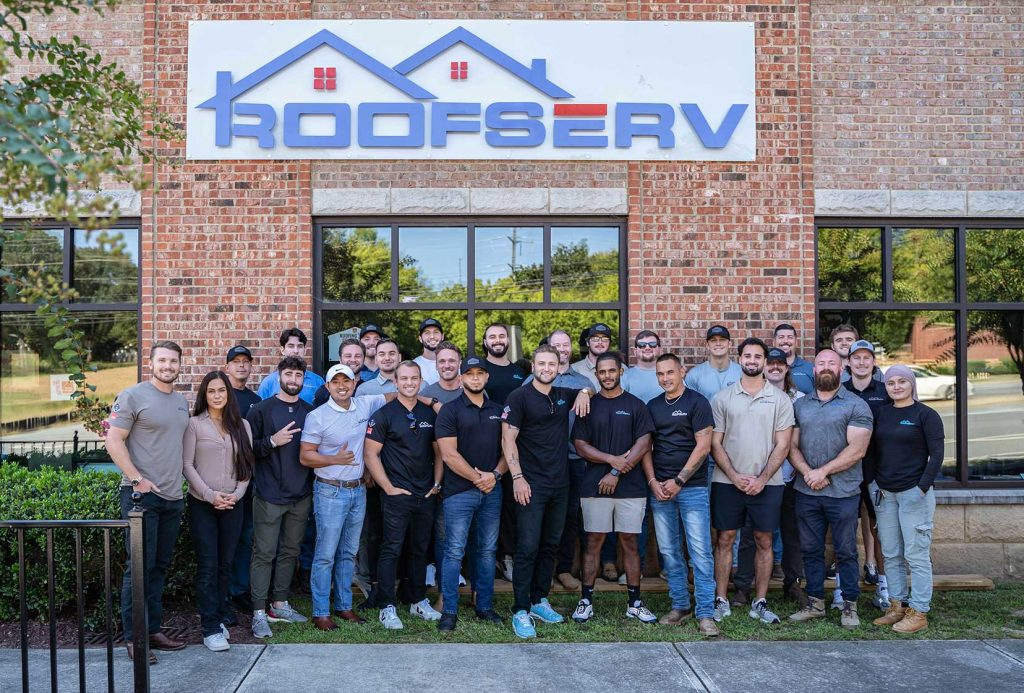
RoofServ serves homeowners throughout Mount Pleasant and the greater Charleston area with honest storm damage inspections, quality repairs, and insurance claim support. We know this coast, understand what storms do to roofs here, and deliver repairs built to stand up to whatever the next season brings. Contact us today to schedule your free storm damage inspection.


